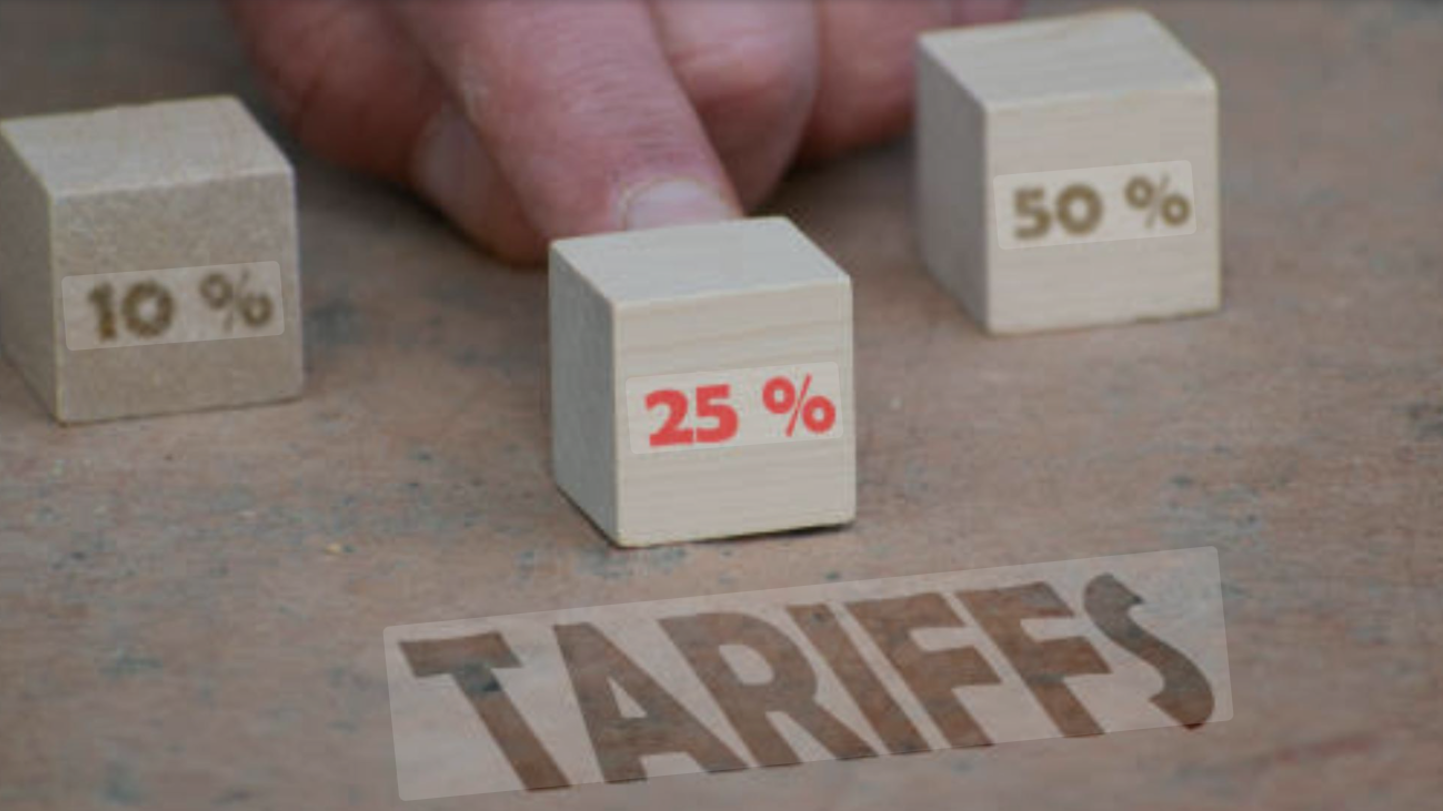
In 2025, navigating tariff and trade uncertainty remains a top priority for global businesses. As costs fluctuate in increasingly short cycles, companies are under pressure to adapt quickly, but many overlook the critical role of workforce planning (headcount and required skills) in this equation.
While most organizations anticipate the impact of tariff shifts on logistics, supply chain, compliance, and finance, far fewer have effective strategies in place to manage the HR risks. This often leads to rapid compensation adjustments, hiring or layoffs driven by short-term cost pressures or accounts receivable volatility.
Yet workforce changes made too quickly can damage morale, reduce productivity, and create long-term talent gaps. Not making workforce changes or making them two slowly can lead to increased overhead costs and putting you out of business.
Penon Partners can help. Our team works with companies to build workforce strategies that align with changing economic and trade conditions.
Here are some key HR considerations for your company:
- Is your organization prepared to model workforce scenarios tied to tariff outcomes? For example, if tariffs increase, decrease or don’t change, what are the headcount and skills needed?
- Have you identified talent that can flex across departments or regions? Are you cross-training?
- Are you utilizing more variable pay program options?
- Are you offering unpaid leave options to help reduce labor costs without ending their employment?
- Are you utilizing a contingent workforce of contractors to help manage ebbs and flows?
- Do you have communication plans in place to support employees through uncertain cycles?
- Are HR, finance, and operations collaborating to anticipate and act on trade-related cost shifts?
With the right strategy, you can be flexible and cost conscience while demands change.
Let Penon Partners help you stay ahead.
Written by Brad Gordon,
bgordon@penonpartners.com
